If you’ve ever ordered a fresh, ripe strawberry from a grocery store 300 miles from the farm, picked up a bag of frozen edamame for dinner, or grabbed a cold pack of cheese for your weekend picnic, you’ve relied on a piece of equipment most people don’t notice: the refrigerated semi-trailer. For the past 12 years, I’ve run a small, specialized supplier business focused on building and maintaining these trailers, and the number of questions I get from shippers, fleet managers, and even new drivers boils down to one: “Is there actually enough demand for these things to matter?” The short answer is yes—but it’s not the vague, “everyone needs cold food” kind of demand. It’s specific, growing, and shaped by shifts in how people eat, shop, and move goods around the world. Refrigerated Semi-Trailers
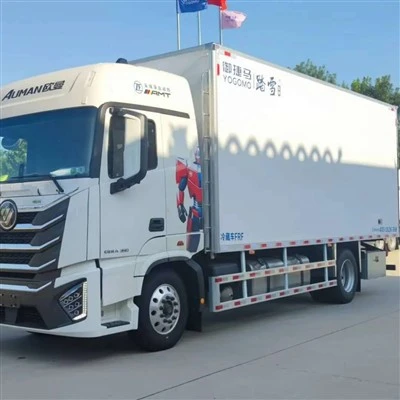
Let’s start with the basics that anyone in logistics knows, but many casual observers miss: refrigerated semi-trailers (often called “reefers” in the industry) aren’t just for moving ice cream or frozen pizza. They’re temperature-controlled boxes, usually pulled by a Class 8 semi-truck, that keep perishable goods within a precise, consistent range—anywhere from -20°F for frozen meat and seafood to 36°F for fresh produce, dairy, and even pharmaceuticals like insulin or vaccine shipments. Unlike dry van trailers, which haul non-perishable goods, reefers require constant monitoring of temperature, humidity, and even air circulation to prevent spoilage. That specialized design is why demand isn’t static; it’s tied directly to changes in global supply chains and consumer behavior.
Over the last five years, I’ve watched that demand climb faster than I ever expected. In 2019, before the pandemic, our business saw a 14% increase in orders for new reefers. In 2021, that number jumped to 32%—a spike we initially thought was tied to supply chain disruptions during the height of lockdowns, when grocery stores rushed to stock frozen goods and online grocery orders exploded. But here’s the thing: that spike didn’t drop when the world “returned to normal.” By 2023, our annual order growth had stabilized at 21%, and this year, we’re on track to hit another 18% increase. I’ve talked to other suppliers across North America, and almost every one of us is seeing the same trend. That’s not a temporary blip—it’s structural.
One big driver of that structural demand is the shift in consumer eating habits. Ten years ago, a typical American grocery cart might have had a head of lettuce from a local farm, a block of cheese made 50 miles away, and a pack of frozen veggies from a regional processor. Today, that same cart might have blueberries shipped from Peru, salmon from Norway, ice cream from a factory in Wisconsin, and deli meat from a processing plant 200 miles away. The global food supply chain is longer than it’s ever been, and perishable goods make up a bigger share of what’s moved. The U.S. Department of Agriculture (USDA) reported in 2024 that the share of fresh produce consumed in the U.S. that’s imported rose from 17% in 2010 to 27% in 2023. Every single one of those imports—from mangoes to spinach—relies on reefers to get from a port in California or Texas to a grocery store in Ohio or Florida. If you tried to ship that spinach in a dry van, it would turn mushy and rotten before it even left the port.
Then there’s the growth of e-commerce grocery, which boomed during the pandemic and hasn’t slowed down. Before 2020, online grocery sales made up about 3% of total U.S. grocery sales. In 2023, that number was nearly 12%, according to the Food Marketing Institute. Unlike ordering a book online, ordering a carton of milk or a pound of strawberries requires temperature-controlled delivery at every step—from the warehouse to the last-mile truck. Many e-commerce companies are building large, temperature-controlled fulfillment centers right now, and they can’t operate without a fleet of reefers to move goods between warehouses and delivery hubs. Last quarter, we had three new e-commerce grocery companies place orders for 10 or more reefers each—something that would have been unheard of in 2018.
Another often-overlooked piece of demand comes from the pharmaceutical industry. That might sound unrelated to food, but it’s a huge, fast-growing segment for reefers. Many vaccines, insulin, and specialty medications require precise temperature control—usually between 36°F and 46°F—through the entire supply chain. The COVID-19 pandemic highlighted this when vaccines required ultra-cold storage, but that’s just the tip of the iceberg. The Centers for Disease Control and Prevention (CDC) reports that the number of temperature-sensitive pharmaceuticals shipped annually in the U.S. has grown 8% per year since 2019. Every one of those shipments uses a reefer, and as the population ages and requires more specialized medications, that demand will keep going up.
But demand isn’t just about buying new trailers. There’s a huge secondary demand for used reefers too, especially among small and medium-sized businesses that can’t afford to buy new. Many of our clients are small produce distributors or regional food manufacturers—they don’t need a fleet of 50 new trailers, but they need 2 or 3 reliable ones to keep their business running. In fact, about 40% of the business we do is refurbishing used reefers, replacing old cooling units, repairing insulated walls, and upgrading temperature monitoring systems. I’ve found that as long as there are perishable goods being moved, there will be demand for both new and used reefers.
Of course, it’s not all smooth sailing. There are challenges that shape what kind of reefers people buy, and how much demand grows. One big challenge is the cost of fuel and new equipment. Reefer units run on diesel, and when fuel prices spiked in 2022, many small shippers held off on buying new trailers, opting to keep their older models running longer. Another challenge is new regulations—many states, and even some countries, are requiring zero-emission refrigeration units by 2035. That’s led to a shift in demand for electric reefers, which are more expensive upfront but cheaper to operate and compliant with future rules. This year, we’ve sold 12 electric reefers, and that number is expected to double next year as more regulations take effect.
I’ve seen first-hand how these shifts play out on the road. Last month, I was at a truck stop in Iowa, talking to a reefer driver who was hauling fresh apples from Washington to Florida. He told me that five years ago, he might have hauled a dry van half the time, but now it’s 90% reefers. That’s a small story, but it adds up. Across the industry, the number of refrigerated semi-trailers in operation in the U.S. grew from about 300,000 in 2018 to over 400,000 in 2024, according to the American Trucking Associations. That’s a 33% increase in six years, and it doesn’t show any signs of slowing.
What does that mean for us as suppliers? It means we’re not just building trailers—we’re building a critical part of the global supply chain. For a farmer in Chile, a reefer means their grapes can reach a U.S. grocery store before they go bad. For a parent in Detroit, a reefer means their kid can have fresh, local milk that was picked up at a farm 200 miles away that morning. For a pharmacy in Texas, a reefer means a patient can get their insulin on time, no matter the weather. That’s why I’m so confident about the demand for refrigerated semi-trailers. It’s not a trend that will fade when the next viral product goes out of style. It’s tied to the way the world eats, shops, and cares for its people—and that’s here to stay.

If you’re a shipper, fleet manager, or business owner looking to add to your refrigerated equipment, we work with you to find the right solution—whether that’s a new trailer, a refurbished used model, or an upgrade to your existing reefer units. We tailor each piece to your specific needs, from temperature controls to durability for long hauls, because we know your business depends on every mile those trailers run. Reach out to our team to discuss your requirements and get a customized quote, no obligation to move forward.
XPS Refrigerated Truck Body Panels References
American Trucking Associations. (2024). 2024 North American Trailer Census.
U.S. Department of Agriculture, Agricultural Marketing Service. (2023). Domestic and Imported Fresh Produce Availability Report.
Food Marketing Institute. (2023). U.S. Online Grocery Shopping Trends Report.
Centers for Disease Control and Prevention. (2024). Temperature-Sensitive Pharmaceutical Supply Chain Guidelines.
Environmental Protection Agency. (2022). Clean Truck Program: Zero-Emission Reefer Regulations for Heavy-Duty Vehicles.
Hebei Three Sworn Brothers Special Purpose Vehicle Co., Ltd.
We are one of the most professional refrigerated semi-trailers manufacturers and suppliers in China, featured by quality products and good price. Please rest assured to wholesale durable refrigerated semi-trailers for sale here from our factory. Welcome to view our website for more information.
Address: No.19,Taihang South Road, Economic Development Zone,Qinghe County, Hebei Province
E-mail: miaj@cnreeferbox.com
WebSite: https://www.cnreeferboxes.com/
