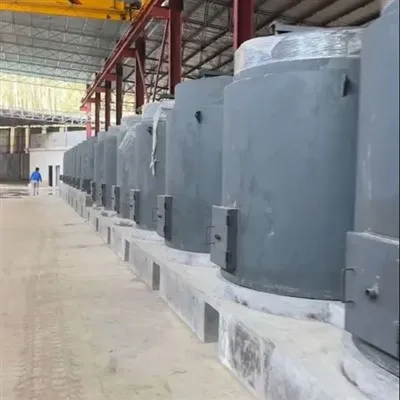
As a supplier of PMMA Cracking Furnaces, I am often asked about the operating parameters of these essential pieces of equipment. Understanding the operating parameters is crucial for ensuring the efficient and effective operation of PMMA Cracking Furnaces, which play a vital role in the production of polymethyl methacrylate (PMMA), a widely used thermoplastic. In this blog, I will delve into the key operating parameters of PMMA Cracking Furnaces, providing insights into how they impact the cracking process and the quality of the final product. PMMA Cracking Furnace
Temperature
Temperature is one of the most critical operating parameters in a PMMA Cracking Furnace. The cracking process of PMMA is a thermal decomposition reaction, which requires a specific temperature range to break down the PMMA polymer into its monomer, methyl methacrylate (MMA). The optimal cracking temperature typically ranges from 400°C to 500°C. At temperatures below this range, the cracking reaction may not occur effectively, resulting in a low yield of MMA. On the other hand, temperatures above the optimal range can lead to excessive thermal degradation and the formation of unwanted by – products, which can reduce the purity of the MMA and increase the cost of purification.
Maintaining a stable temperature throughout the cracking process is also essential. Fluctuations in temperature can cause uneven cracking, leading to variations in the quality of the MMA produced. To achieve temperature stability, modern PMMA Cracking Furnaces are equipped with advanced temperature control systems, such as thermocouples and PID controllers. These systems continuously monitor the temperature inside the furnace and adjust the heating elements to ensure that the temperature remains within the desired range.
Pressure
Pressure is another important operating parameter in PMMA Cracking Furnaces. The cracking process is typically carried out under reduced pressure or vacuum conditions. This is because reducing the pressure lowers the boiling point of the MMA and other reaction products, allowing them to be easily vaporized and removed from the furnace. Operating under vacuum also helps to prevent the oxidation of the MMA and other sensitive components, as it reduces the presence of oxygen in the reaction environment.
The optimal pressure for PMMA cracking usually ranges from a few millibars to a few tens of millibars, depending on the specific design of the furnace and the cracking conditions. Maintaining a stable pressure is crucial for the efficiency of the cracking process. Pressure fluctuations can affect the vaporization and separation of the reaction products, leading to a decrease in the yield and quality of the MMA. To control the pressure, PMMA Cracking Furnaces are equipped with vacuum pumps and pressure sensors. The vacuum pumps are used to create and maintain the desired vacuum level, while the pressure sensors monitor the pressure inside the furnace and send signals to the control system to adjust the pumping rate if necessary.
Residence Time
Residence time refers to the amount of time that the PMMA material spends inside the cracking furnace. It is a critical parameter that affects the extent of the cracking reaction and the yield of MMA. A sufficient residence time is required to ensure that the PMMA polymer is completely cracked into its monomer. However, if the residence time is too long, there is a risk of over – cracking and the formation of more by – products.
The optimal residence time depends on several factors, including the temperature, pressure, and the nature of the PMMA feedstock. In general, the residence time for PMMA cracking ranges from a few minutes to tens of minutes. To control the residence time, the design of the cracking furnace plays a crucial role. For example, the flow rate of the PMMA feedstock and the internal structure of the furnace can be adjusted to ensure that the material spends the appropriate amount of time inside the furnace for effective cracking.
Feedstock Quality
The quality of the PMMA feedstock also has a significant impact on the operating parameters and the performance of the cracking furnace. The purity of the PMMA, its molecular weight distribution, and the presence of impurities can all affect the cracking process. High – purity PMMA feedstock with a narrow molecular weight distribution generally results in a higher yield and better quality of MMA.
Impurities in the PMMA feedstock, such as additives, fillers, and contaminants, can cause problems during the cracking process. They may increase the formation of by – products, reduce the efficiency of the cracking reaction, and even damage the cracking furnace. Therefore, it is essential to ensure that the PMMA feedstock meets the required quality standards before it is fed into the furnace. This may involve pre – treatment processes, such as purification and drying, to remove impurities and moisture from the feedstock.
Heating Rate
The heating rate is the speed at which the temperature inside the PMMA Cracking Furnace is increased. It is an important operating parameter that can affect the cracking process and the quality of the MMA. A slow heating rate allows the PMMA material to be heated uniformly, which can promote a more complete and controlled cracking reaction. However, a very slow heating rate may increase the processing time and reduce the productivity of the furnace.
On the other hand, a fast heating rate can lead to rapid thermal expansion and uneven heating of the PMMA, which may cause cracking and the formation of defects in the material. It can also increase the risk of over – cracking and the formation of by – products. Therefore, an appropriate heating rate needs to be selected based on the specific characteristics of the PMMA feedstock and the design of the cracking furnace.
Monitoring and Control
To ensure the optimal operation of PMMA Cracking Furnaces, continuous monitoring and control of the operating parameters are essential. Modern PMMA Cracking Furnaces are equipped with a variety of sensors and control systems to monitor temperature, pressure, flow rate, and other key parameters. These sensors collect data in real – time and transmit it to the control system, which can then adjust the operating conditions as needed.
In addition to real – time monitoring, regular maintenance and calibration of the sensors and control systems are also necessary. This helps to ensure the accuracy and reliability of the monitoring data and the proper functioning of the control systems. By closely monitoring and controlling the operating parameters, operators can optimize the performance of the PMMA Cracking Furnace, improve the yield and quality of the MMA, and reduce the operating costs.
Impact on Product Quality
The proper control of the operating parameters in a PMMA Cracking Furnace has a direct impact on the quality of the MMA produced. By maintaining the optimal temperature, pressure, residence time, and other parameters, the cracking reaction can proceed efficiently and selectively, resulting in a high – purity MMA product. High – purity MMA is essential for the production of high – quality PMMA products, such as optical lenses, acrylic sheets, and automotive components.
On the other hand, if the operating parameters are not properly controlled, the quality of the MMA may be compromised. For example, excessive temperature or pressure can lead to the formation of unwanted by – products, such as formaldehyde and acetone, which can reduce the purity of the MMA and affect its properties. In addition, inconsistent operating parameters can result in variations in the quality of the MMA from batch to batch, which can cause problems in the subsequent processing and manufacturing of PMMA products.
Conclusion
In conclusion, understanding and controlling the operating parameters of PMMA Cracking Furnaces are crucial for achieving efficient and high – quality MMA production. Temperature, pressure, residence time, feedstock quality, heating rate, and monitoring and control are all key factors that need to be carefully considered and managed. As a supplier of PMMA Cracking Furnaces, we are committed to providing our customers with state – of – the – art equipment and technical support to help them optimize their cracking processes.
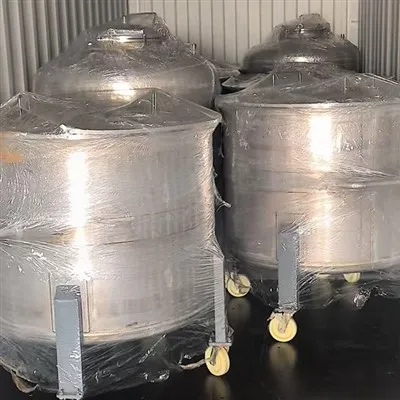
Industrial Reactor If you are interested in purchasing a PMMA Cracking Furnace or need more information about the operating parameters and how they can be optimized for your specific needs, please feel free to contact us for a detailed discussion. We are always ready to work with you to find the best solutions for your PMMA production requirements.
References
- Saeid, M. A., & Jamal, K. (2018). Thermal degradation kinetics of poly(methyl methacrylate) in a fluidized bed reactor. Journal of Analytical and Applied Pyrolysis, 132, 224 – 231.
- Zhang, Y., & Li, X. (2019). Study on the cracking process of waste PMMA and the influence of cracking conditions on the yield of MMA. Polymer Degradation and Stability, 167, 1 – 6.
- Wang, L., & Chen, H. (2020). Optimization of operating parameters for PMMA cracking furnaces using response surface methodology. Chemical Engineering Journal, 394, 124965.
Wuxi Quansheng Industrial Equipment Co., Ltd.
As one of the most professional PMMA cracking furnace manufacturers and suppliers in China, we have world-leading production equipment and strong manufacturing capabilities. Welcome to buy high quality PMMA cracking furnace for sale here from our factory. For price consultation, contact us.
Address: No.10, Fulaiqiao Road, Hudai Town, Binhu District, Wuxi City, Jiangsu Province, China
E-mail: 397293586@qq.com
WebSite: https://www.pmmatech.com/
