How to improve the grain – collecting rate of a rice combine harvester?
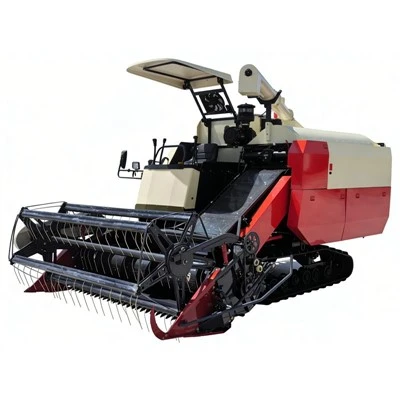
As a supplier of rice combine harvesters, I have witnessed firsthand the challenges farmers face in achieving a high grain – collecting rate during the harvesting season. A higher grain – collecting rate not only means more yield for the farmers but also a better return on their investment in our machinery. In this blog, I’d like to share some practical tips on how to improve the grain – collecting rate of a rice combine harvester. Rice Combine Harvester
1. Pre – harvest Preparation
-
Inspection and Maintenance of the Harvester
Before each harvesting season, it is crucial to conduct a thorough inspection and maintenance of the rice combine harvester. Check all the components for any signs of wear and tear, such as the cutterbar, threshing drum, and cleaning sieve. Replace any damaged parts promptly. A well – maintained harvester is less likely to malfunction during the harvesting process, which can lead to grain loss. For example, a dull cutterbar may not cut the rice stalks cleanly, causing some grains to be left in the field. -
Adjusting the Harvester Settings
Proper adjustment of the harvester settings according to the rice variety, growth conditions, and moisture content is essential. The height of the cutterbar should be set correctly to ensure that the rice stalks are cut at the appropriate level. If the cutterbar is set too high, a significant amount of rice may be left unharvested. The threshing clearance and speed also need to be adjusted. A too – wide threshing clearance may result in incomplete threshing, while a too – high speed can cause excessive grain breakage. -
Field Preparation
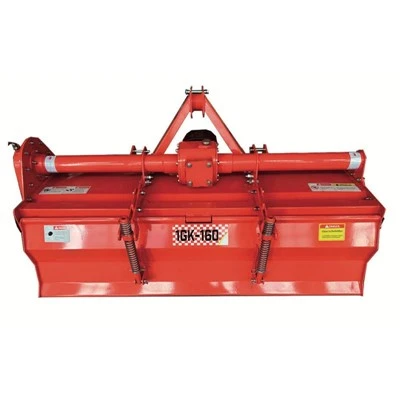
Farmers should also pay attention to field preparation. Remove any large debris, stones, or weeds from the field before harvesting. These objects can damage the harvester and cause grain loss. Additionally, leveling the field can help the harvester move more smoothly, reducing the chances of uneven cutting and grain spillage.
2. Operating Techniques
- Driving Speed
The driving speed of the rice combine harvester is a critical factor affecting the grain – collecting rate. A too – high speed may cause the harvester to miss some rice stalks or not thresh and clean the grains effectively. On the other hand, a too – slow speed can reduce the harvesting efficiency. The optimal driving speed depends on various factors, such as the density of the rice crop, the moisture content of the grains, and the performance of the harvester. Generally, it is advisable to start at a moderate speed and adjust it according to the actual situation in the field. - Overlapping Rows
When harvesting, it is important to ensure proper overlapping of the rows. Overlapping the harvesting swaths by a certain amount can help prevent missed rice stalks between the rows. The recommended overlapping width is usually around 5 – 10 cm. This practice can significantly improve the overall grain – collecting rate, especially in areas where the rice crop is not evenly distributed. - Threshing and Cleaning Adjustment during Operation
During the harvesting process, operators need to continuously monitor and adjust the threshing and cleaning functions of the harvester. If they notice that there are a large number of unthreshed grains or foreign materials in the collected grains, they should adjust the threshing clearance, drum speed, or cleaning sieve settings accordingly. For example, if there are too many chaff and straw in the grain tank, the air volume of the cleaning fan can be increased.
3. Post – harvest Inspection
- Checking the Grain Loss
After each harvesting operation, it is necessary to check the grain loss in the field. This can be done by randomly selecting several areas in the harvested field and collecting the fallen grains. Calculate the grain loss rate based on the amount of fallen grains and the total yield. If the grain loss rate exceeds the acceptable level, analyze the possible reasons and make corresponding adjustments to the harvester or operating techniques. - Inspecting the Harvester Again
A post – harvest inspection of the harvester is also important. Check for any new signs of wear or damage that may have occurred during the harvesting process. Clean the harvester thoroughly to remove any remaining grains, chaff, and dirt. This not only helps to maintain the performance of the harvester but also prepares it for the next harvesting season.
4. Training and Skill Development
- Operator Training
Providing comprehensive training to the harvester operators is crucial for improving the grain – collecting rate. Operators should be familiar with the structure, operating principles, and maintenance methods of the rice combine harvester. Training courses can cover topics such as harvester adjustment, operating techniques, safety precautions, and troubleshooting. Well – trained operators are more likely to operate the harvester effectively and minimize grain loss. - Industry Knowledge Sharing
As a supplier, we can also organize knowledge – sharing events, such as seminars and workshops, to introduce the latest technologies and best practices in rice harvesting. Encourage farmers and operators to exchange experiences and learn from each other. This can help to improve the overall level of knowledge and skills in the industry, leading to better grain – collecting rates.
5. Technological Upgrades
- Advanced Sensors and Monitoring Systems
Investing in rice combine harvesters equipped with advanced sensors and monitoring systems can significantly improve the grain – collecting rate. These sensors can monitor various parameters during the harvesting process, such as threshing quality, cleaning efficiency, and grain moisture content. The monitoring system can provide real – time feedback to the operators, allowing them to make timely adjustments. For example, a moisture sensor can help the operator to determine the optimal time for harvesting and adjust the threshing and cleaning settings according to the moisture level of the grains. - Automated Adjustment Technologies
Some new – generation rice combine harvesters are equipped with automated adjustment technologies. These technologies can automatically adjust the harvester settings based on the real – time operating conditions, such as the density of the rice crop and the grain moisture content. This not only reduces the workload of the operators but also ensures more accurate and consistent harvesting, resulting in a higher grain – collecting rate.
Farm Tractor In conclusion, improving the grain – collecting rate of a rice combine harvester requires a combination of pre – harvest preparation, proper operating techniques, post – harvest inspection, operator training, and technological upgrades. As a supplier, we are committed to providing high – quality rice combine harvesters and comprehensive technical support to help farmers achieve better harvest results. If you are interested in our products or need more information on how to improve the grain – collecting rate, please feel free to contact us for procurement and further discussions.
References
- Agricultural Machinery Handbook, various editions
- Research papers on rice harvesting technology from agricultural research institutions
Huzhou Liangyi Agro Machinery Co., Ltd.
As one of the most professional rice combine harvester manufacturers and suppliers in China, we have world-leading production equipment and strong manufacturing capabilities. Please rest assured to wholesale advanced rice combine harvester from our factory. Contact us for more cheap products.
Address: High-Tech Industrial Zone, Huzhou City, Zhejiang Province, China
E-mail: Liangyi_agro@126.Com
WebSite: https://www.cnliangyi-agro.com/
