Hey there! I’m a supplier of cryostats, and I know how crucial it is to transport these delicate pieces of equipment safely. Cryostats are used in a wide range of scientific and industrial applications, from research labs to medical facilities. They’re designed to maintain extremely low temperatures, and any mishap during transportation can lead to costly damage and delays. So, in this blog post, I’m gonna share some tips on how to transport a cryostat safely. Cryostat

Pre – transport Preparation
Inspection
Before you even think about moving the cryostat, you need to give it a thorough inspection. Check for any visible damage, like cracks in the outer casing or loose fittings. Make sure all the components are properly secured. If you find any issues, it’s better to fix them before transport. You don’t want a small problem turning into a big headache on the way.
Drainage
Most cryostats use liquid nitrogen or helium to maintain low temperatures. Before transport, it’s essential to drain these cryogenic fluids. These substances are extremely cold and can be dangerous if they leak during transit. Follow the manufacturer’s instructions carefully for draining. It might seem like a hassle, but it’s a necessary step to ensure safety.
Documentation
Gather all the necessary documentation related to the cryostat. This includes the user manual, warranty information, and any maintenance records. Having these documents on hand can be really helpful in case of any issues during transport or when the cryostat arrives at its destination.
Packaging
Proper packaging is key to protecting the cryostat during transport. Use high – quality packing materials like foam inserts and shock – absorbing materials. The packaging should fit the cryostat snugly to prevent it from shifting around. You can also use custom – made crates if possible. Label the package clearly with handling instructions, such as "Fragile," "Keep Upright," and the direction of flow (if applicable).
Choosing the Right Transportation Method
Ground Transportation
If the destination is relatively close, ground transportation might be a good option. You can use a truck with a flatbed or an enclosed trailer. Make sure the vehicle is in good condition and has a smooth ride. Avoid rough roads as much as possible. Secure the cryostat firmly to the vehicle to prevent it from moving during transport. You can use straps or chains, but make sure they’re not too tight as they could cause damage.
Air Transportation
For longer distances, air transportation can be faster and more efficient. However, there are some strict regulations when it comes to transporting cryostats by air. You need to comply with the International Air Transport Association (IATA) regulations. The cryostat must be properly packaged and labeled. The airline might also require additional documentation, so it’s important to check with them well in advance.
Shipping
If you’re sending the cryostat overseas, shipping might be your best bet. But again, there are regulations to follow, including those of the International Maritime Dangerous Goods (IMDG) Code. You need to ensure that the cryostat is packaged to withstand the rigors of sea travel, including saltwater exposure and rough seas.
During Transport
Monitoring
If possible, monitor the cryostat during transport. You can use sensors to track temperature, shock, and vibration. This can give you real – time information about the condition of the cryostat. If there are any sudden changes, you can take immediate action.
Communication
Stay in touch with the transportation provider. Make sure they’re aware of the special handling requirements for the cryostat. If there are any delays or issues, you can work together to find a solution.
Handling at Stops
If the cryostat needs to be transferred or stored at intermediate stops, make sure it’s handled properly. The storage area should be clean, dry, and at an appropriate temperature. Avoid exposing the cryostat to extreme heat or cold during these stops.
Post – transport Checks
Inspection
Once the cryostat arrives at its destination, give it another inspection. Check for any signs of damage that might have occurred during transport. Look for dents, scratches, or leaks. If you find any issues, document them immediately and contact the transportation provider.
Testing
After the inspection, it’s time to test the cryostat. Follow the startup procedures in the user manual. Check if it’s maintaining the correct temperature and if all the functions are working properly. If there are any problems, contact your technical support team or the manufacturer.
Why Choose Our Cryostats and Services?
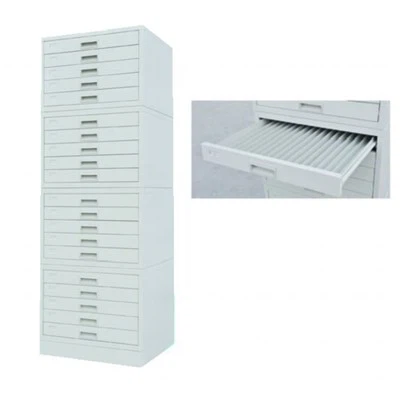
We’ve been in the cryostat business for a long time, and we know how to handle these sensitive pieces of equipment. Our cryostats are built to the highest standards, and we provide detailed guidance on transportation to ensure your peace of mind. We also offer after – sales support, so if you have any questions or issues with your cryostat, we’re here to help.
Slide Stainer If you’re in the market for a cryostat or need more information on transporting them safely, don’t hesitate to reach out. Contact us to discuss your specific requirements, and let’s start a conversation about how we can meet your needs.
References
- Manufacturer’s user manuals for cryostats
- International Air Transport Association (IATA) regulations
- International Maritime Dangerous Goods (IMDG) Code
Xiaogan Kuohai Medical Technology Co., Ltd.
Xiaogan Kuohai Medical Technology Co., Ltd. is one of the leading cryostat manufacturers and suppliers in China. We warmly welcome you to buy cost-efficient cryostat for sale here from our factory. All customized products are with high quality and competitive price. Contact us for OEM service.
Address: Shuyuan Technology Industrial Park, Changxing Road, Xiaonan District, Xiaogan City, Hubei Province,China
E-mail: henry@kuohaitech.com
WebSite: https://www.kuohaitech.com/
