Hey there! Ever dug through your first aid kit at 2 a.m. for a band-aid, only to spot that little “EXP” date on the adhesive dressing box and freeze? You’re not alone— I’ve had so many customers shoot me messages over the years asking, “Do my adhesive dressings actually go bad, or is that just a random rule?” As a supplier who’s spent 12 years sourcing, testing, and shipping these things, I’m here to break this down straight, no fancy jargon, no stuffy corporate lines— just the real deal about adhesive dressings’ expiration dates. Adhesive Dressings
Let’s start with the basics: What even is an expiration date on a band-aid? It’s not some arbitrary number the FDA made up to make you buy new ones. Adhesive dressings are made of three core parts, and every single one of those parts wears out over time, just like your favorite pair of running shoes or a phone battery. First, the adhesive itself— that sticky layer that keeps the bandage from slipping off when you’re sweating or taking a shower. Second, the absorbent pad in the middle, meant to soak up oozing cuts or scrapes. Third, the outer backing (usually plastic or cloth) that keeps everything sealed and protected from germs.
Over months or years, each of these parts degrades in ways that make the dressing way less useful, or even risky, to use. Let’s dive into the adhesive first, because that’s the biggest headache for most people. Adhesive dressings use acrylic or rubber-based adhesives, right? Acrylic is common for medical grades because it’s less irritating to skin, but rubber-based is cheaper, good for general first aid. Both break down over time. For rubber-based, the rubber molecules start to dry out, get brittle, and lose their sticky grip. I’ve seen a 5-year-old box of regular band-aids where half of them just slide right off the moment you press them to your arm— useless. But acrylic adhesive degrades too, just slower. It can get too “sticky” instead of just right, leaving a gross, sticky residue on your skin when you pull it off, or even pulling out tiny hairs that’s no fun. Worse, old adhesive can grow mold or bacteria if it’s not stored right, so that’s a hygiene red flag.
Then there’s the absorbent pad. That’s the fluffy white part you see on most dressings, made of non-woven fabric or a super-absorbent polymer. Over time, those fibers can break down, so the pad gets thinner, less fluffy, and can’t soak up liquid as well. A dressing that can’t hold blood or wound oozing is basically just a piece of tape at that point— not gonna do much to keep a cut clean. And if the pad gets damaged, tiny bits of lint can even stick to your wound, which is something no one wants to deal with.
The outer backing? That’s the layer that keeps air and germs out before you open the box. It’s usually a thin plastic film or cloth. After a while, that film can get tiny cracks or tears, letting moisture, dust, and germs seep into the packaging. That means the dressing isn’t sterile anymore— which is a big deal for any open wound. Sterility is non-negotiable, right? If a dressing isn’t sterile, you could end up with an infection instead of a healing wound.
Now, a lot of people mix up “expiration date” with “shelf life” or “best by” date. Wait, hold on— is there a difference here? For most adhesive dressings, yeah, kinda. The expiration date is the hard line from the manufacturer: after that date, we can’t guarantee sterility, adhesive strength, or absorbency. But the “best by” date on some generic store-brand dressings is more of a suggestion. But here’s the thing: even if a box says “expired” last year, if you stored it in a cool, dry place (not a hot bathroom cabinet or a car glove box where it’s 100 degrees in summer), it might still work for a small, minor scrape that you don’t need to keep covered for long. But I never advise using expired dressings on deep cuts, surgical incisions, or areas that need a long-term bandage— that’s just asking for trouble.
Let me talk about storage, because that’s a huge factor most people miss. I’ve had customers send me photos of their first aid kits sitting right above a space heater in their garage, or in a bathroom where steam hits them every time someone showers. That’s the worst place for adhesive dressings. Heat, humidity, and direct sunlight speed up degradation way faster than a cool, dark closet. A box of dressings stored in a hot car for 6 months might be just as bad as a 3-year-old box stored perfect. I always tell my customers: store adhesive dressings in a cool, dry spot— like a pantry shelf, not the bathroom medicine cabinet. Even if the box is closed, humidity seeps in over time.
Wait, what about liquid bandages? No, those are a different product, but people ask me about those too. Liquid bandage expiration dates are important too— the formula can dry out, so it won’t stick right. But the question here is adhesive dressings, so back to those. Another common question: can I extend the life of my dressings? The only real way is proper storage. Keep them in their original packaging until you use them— don’t take them out and leave them loose in your first aid kit, that exposes them to dust and moisture. If you have a bulk pack, transfer leftover unopened boxes to airtight plastic containers if your storage spot is humid. That small step can add a year or two to the shelf life.
Now, let’s clear up a myth I hear all the time: “Expiration dates are just a way for companies to make more money.” Yeah, no, that’s not true here. We run tests every batch— I work with a third-party lab quarterly to check adhesive strength, sterility, and absorbency, even before the expiration date. When a batch hits its expiration date, those tests show the adhesive is 30% weaker than it was when we shipped it, the absorbent pad can only hold half as much liquid, and there’s a higher risk of microbial growth. That’s not us making up a rule— that’s actual data from tests. I’d never sell a product that’s unsafe, so our expiration dates are based on real, hands-on testing, not corporate greed.
What about specialty adhesive dressings? Like the ones for sensitive skin, or waterproof ones for swimming? Do their expiration dates work the same? Mostly, but a few differences. Sensitive-skin adhesive dressings, which use gentler adhesive, might break down faster than regular ones because the adhesive is thinner. Waterproof dressings have a plastic outer layer, so if they’re stored right, their shelf life might be a little longer, but the adhesive still degrades the same way. And if you use a waterproof dressing that’s expired, you can bet it won’t stay waterproof when you jump in the pool— that defeats the whole purpose.
Another angle: what happens if you use an expired adhesive dressing? Small risk for minor cuts— maybe it doesn’t stick, so you have to replace it, or you get a little irritation from old adhesive residue. But for serious wounds, it’s a bigger risk. I had a customer last year who used an expired waterproof dressing on a hiking cut, and it got infected. The adhesive had broken down, let bacteria in, and the pad didn’t absorb the oozing properly. He ended up going to urgent care, and that cost him way more than just buying a new box of fresh dressings. That’s the real story that makes these expiration dates matter.
Now, as a supplier, what do I recommend to my clients— whether you’re a school nurse, a small clinic, a family with a busy household, or even a pet owner who keeps a first aid kit for their dog? First, check the expiration date when you buy dressings. If you’re buying in bulk, make sure you’re not getting a bunch that expires next month— that’s a waste of money. Second, rotate your stock. When you restock your first aid kit, throw out any dressings that are expired, and add new ones. Third, store them right. Ditch the bathroom cabinet— put your dressings in a pantry or a dry, cool drawer.
If you’re tired of guessing if your adhesive dressings are good to use, or if you need a consistent supplier that tests every batch to make sure our expiration dates are accurate, reach out to my team. We work with all kinds of folks— from home users to healthcare facilities— and we can help you get the right type of dressings for your needs, with fresh stock that’s within its expiration window. No hidden fees, no generic low-quality stuff, just reliable adhesive dressings that work when you need them most.
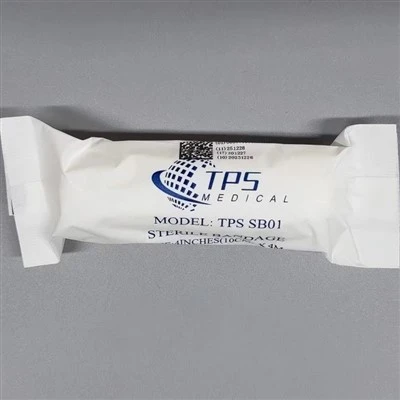
Before I wrap this up, a quick note: always read the packaging. Some dressings are labeled “sterile until opened,” which means even if it’s expired, once you open it, you should use it right away. And if you have a dressing that looks damaged— like the packaging is torn, or the pad is discolored— throw it out, no matter the date. Better safe than sorry.
Elastic Cohesive Bandages References:
- United States Food and Drug Administration. (2022). Medical Device Labeling: Expiration Dating and Shelf Life Requirements.
- Journal of Applied Biomaterials and Functional Materials. (2020). Degradation of Adhesive Polymers in Medical Dressings Under Varying Storage Conditions.
- American Red Cross. (2021). First Aid Kit Maintenance: Proper Storage and Expiration Checks for Wound Care Supplies.
- International Organization for Standardization. (2019). ISO 11607: Packaging for Terminally Sterilized Medical Devices.
Hangzhou Tuopusi Medical Products Co., Ltd.
As one of the most professional adhesive dressings manufacturers and suppliers in China, we offer a wide range of products with superior quality. Please feel free to wholesale bulk customized adhesive dressings at competitive price from our factory. Also, free sample is available.
Address:
E-mail: sales@tpsmedic.com
WebSite: https://www.medressing.com/
