Hey there! I’m a supplier of carbide threading inserts. Over the years, I’ve had my fair share of experiences when it comes to dealing with chip evacuation issues in threading processes. In this blog, I’ll share some of the practical tips on how to improve the chip evacuation with carbide threading inserts. Carbide Threading Inserts
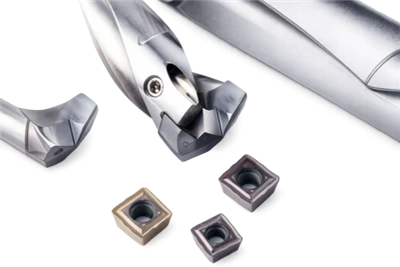
Understanding the Basics of Chip Evacuation
First things first, let’s talk about what chip evacuation is and why it’s so important. When you’re using carbide threading inserts to cut threads on a workpiece, chips are formed. These chips need to be removed from the cutting area efficiently. If they’re not, they can cause a whole bunch of problems.
Chips that stay in the cutting area can increase the cutting temperature. This extra heat can wear out the carbide threading inserts faster. It can also lead to poor surface finish on the threaded workpiece. Plus, if the chips get jammed, they can even damage the insert and the workpiece itself. That’s why getting the chips out quickly and smoothly is a big deal.
Choosing the Right Carbide Threading Inserts
One of the key steps in improving chip evacuation is picking the right inserts. There are different types of carbide threading inserts out there, and each one is designed for specific applications.
For starters, look at the insert geometry. Inserts with a positive rake angle are generally better for chip evacuation. A positive rake angle means the cutting edge of the insert is angled in a way that helps the chips curl and break more easily. When the chips break into smaller pieces, they’re easier to remove from the cutting area.
Also, consider the insert’s chip breaker design. Chip breakers are features on the insert that help control the shape and size of the chips. A well – designed chip breaker can make the chips more manageable and prevent them from getting tangled up. Some inserts come with built – in chip breakers that are optimized for different materials and cutting conditions.
Another factor is the insert coating. Coatings like TiN (Titanium Nitride) or TiAlN (Titanium Aluminum Nitride) not only increase the insert’s hardness and wear resistance but can also have an impact on chip evacuation. A smooth coating can reduce the friction between the chips and the insert, allowing the chips to flow more freely.
Optimizing Cutting Parameters
The cutting parameters you choose can have a huge impact on chip evacuation. Let’s break down the main ones.
Cutting Speed
The cutting speed is how fast the insert moves across the workpiece. If the cutting speed is too low, the chips may not break properly and can form long, stringy chips that are difficult to evacuate. On the other hand, if the cutting speed is too high, it can cause excessive heat and wear on the insert. You need to find the right balance.
For most common materials, there are recommended cutting speed ranges. For example, when threading steel, a moderate cutting speed might work well. You can start with the manufacturer’s recommendations and then make small adjustments based on your actual cutting conditions.
Feed Rate
The feed rate is how fast the insert moves along the thread during the cutting process. A proper feed rate is crucial for chip formation and evacuation. If the feed rate is too low, the chips may be too thin and long, which can lead to chip – packing problems. If the feed rate is too high, the insert may be overloaded, and the chips can become too thick and hard to control.
Again, there are general guidelines for feed rates depending on the material and the thread pitch. For a fine – pitched thread, you’ll usually need a lower feed rate compared to a coarse – pitched thread.
Depth of Cut
The depth of cut refers to how deep the insert penetrates into the workpiece. A large depth of cut can generate more chips, which can be a challenge for evacuation. However, if the depth of cut is too small, it may not be efficient for threading. You need to find an appropriate depth of cut that allows for good chip formation and evacuation.
Using Coolant and Lubricant
Coolant and lubricant play a vital role in chip evacuation. They help in several ways.
First of all, coolant reduces the cutting temperature. As I mentioned earlier, high temperatures can cause problems with the inserts and the chips. By keeping the temperature down, coolant helps the chips break more easily and stay in a more manageable shape.
Secondly, coolant acts as a flushing agent. It can wash away the chips from the cutting area, preventing them from accumulating. There are different types of coolants available, such as water – soluble coolants and straight oils. Water – soluble coolants are more commonly used because they offer good cooling and flushing properties at a relatively low cost.
Lubricant, on the other hand, reduces the friction between the insert and the workpiece. This not only helps in chip evacuation but also extends the life of the insert. Some coolants also have lubricating properties, so you need to choose the right one for your specific application.
Machine Setup and Maintenance
The way your machine is set up and maintained can also affect chip evacuation.
Make sure the machine’s spindle is running smoothly and accurately. A wobbly or misaligned spindle can cause inconsistent cutting, which can lead to poor chip formation. You should also regularly check and adjust the machine’s feed and speed mechanisms to ensure they’re operating within the correct parameters.
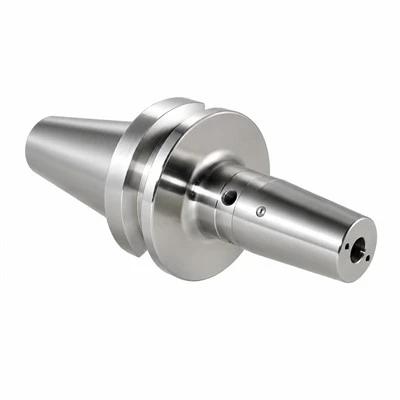
The toolholder also matters. A rigid toolholder can provide better support for the insert, which is important for accurate cutting and chip evacuation. If the toolholder is loose or damaged, it can cause vibrations during cutting, which can disrupt the chip formation process.
In addition, keeping the machine clean is essential. Remove any chips or debris from the machine regularly. This includes the chip conveyor, if your machine has one. A clogged chip conveyor can prevent efficient chip removal and lead to all sorts of problems.
Monitoring and Troubleshooting
Once you’ve implemented all these measures, it’s important to monitor the cutting process. Keep an eye on the chips coming out. If you notice long, stringy chips, it could mean that the cutting parameters need adjustment. You may need to increase the cutting speed or adjust the feed rate.
If the chips are too thick or too hard to break, it might be a sign that the insert geometry or coating isn’t suitable. You may need to try a different type of insert.
Also, pay attention to the surface finish of the threaded workpiece. If it’s rough or has marks, it could be due to poor chip evacuation. In this case, you need to go back and check all the factors we’ve discussed, from the insert selection to the cutting parameters and coolant usage.
Conclusion
Improving chip evacuation with carbide threading inserts isn’t a one – time fix. It’s a combination of choosing the right inserts, optimizing the cutting parameters, using the correct coolant and lubricant, and maintaining your machine properly. By paying attention to these details, you can significantly reduce the problems associated with chip evacuation, extend the life of your inserts, and improve the quality of your threaded workpieces.
Lathe Chuck If you’re interested in learning more about our carbide threading inserts or have any questions about how to improve chip evacuation in your specific application, feel free to get in touch. We’d love to have a chat with you and help you find the best solutions for your needs.
References
- "Metal Cutting Handbook" by various industry experts.
- Manufacturer’s technical manuals for carbide threading inserts.
- Industry research papers on cutting processes and chip management.
Shun Wei Precision Technology Co., Ltd.
With abundant experience, we are one of the most reliable carbide threading inserts manufacturers and suppliers in China. We warmly welcome you to buy durable carbide threading inserts at competitive price from our factory. If you have any enquiry about cooperation, please feel free to email us.
Address: Room901, Building2, Yijing Apartment, Northeast side of the intersection of Central Avenue and East Fifth Road, Tianjin Free Trade Zone (Airport Economic Zone)
E-mail: sale@sw-csd.com
WebSite: https://www.tjswprecisiontool.com/
