In the intricate world of cleanrooms, where precision and purity are paramount, the choice of construction materials plays a pivotal role. Cleanroom sandwich panels have emerged as a cornerstone for building these highly specialized environments. A recurrent question that arises in discussions with customers is whether cleanroom sandwich panels are resistant to chemicals. As a long – standing supplier of cleanroom sandwich panels, I am here to delve into this topic and shed some light on this critical aspect. Cleanroom Sandwich Panels
Understanding Cleanroom Sandwich Panels
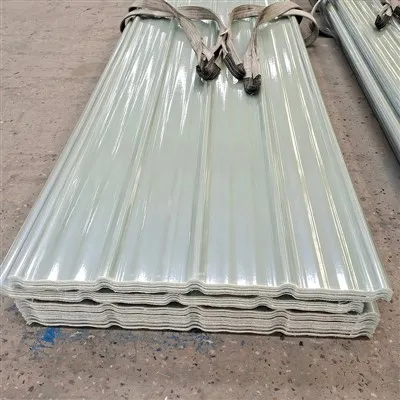
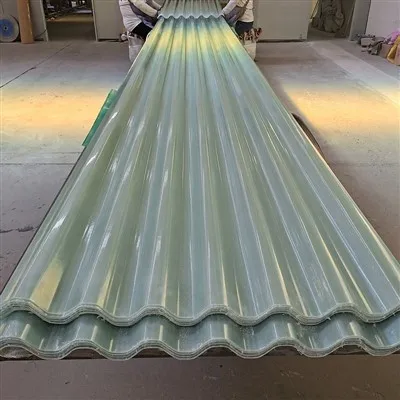
Before we jump into the chemical resistance aspect, let’s first understand what cleanroom sandwich panels are. These panels are typically composed of two outer layers, the facings, and a core material in between. The facings can be made from various materials such as metal, like galvanized steel or stainless steel, or non – metallic substances such as fiberglass – reinforced plastic. The core material, on the other hand, is often made of polyurethane foam, rock wool, or polystyrene, each offering different properties in terms of insulation, strength, and fire resistance.
The design of cleanroom sandwich panels aims to provide a high – performance building solution that can meet the demanding requirements of cleanrooms. They offer excellent thermal insulation, soundproofing, and a clean and smooth surface that is easy to clean and maintain, which is essential for preventing the accumulation of contaminants.
Chemical Resistance Requirements in Cleanrooms
Cleanrooms are used in a wide range of industries, including pharmaceuticals, electronics manufacturing, biotechnology, and food processing. In these settings, various chemicals are often used for cleaning, disinfection, sterilization, and as part of the manufacturing process. For instance, in the pharmaceutical industry, strong disinfectants like hydrogen peroxide and peracetic acid are commonly used to maintain a sterile environment. In electronics manufacturing, solvents such as isopropyl alcohol are used for cleaning circuit boards.
Therefore, the materials used in cleanroom construction, including sandwich panels, must be able to withstand exposure to these chemicals. If the panels are not chemically resistant, they can degrade over time, leading to surface damage, peeling, or the release of particles into the cleanroom environment. This not only compromises the integrity of the cleanroom but can also have a significant impact on product quality and safety.
Factors Affecting Chemical Resistance of Cleanroom Sandwich Panels
Facing Materials
The facing material of a sandwich panel is the first line of defense against chemical exposure.
- Stainless Steel Facings: Stainless steel is known for its excellent corrosion resistance and is a popular choice for cleanroom sandwich panels. Different grades of stainless steel offer varying levels of chemical resistance. For example, 304 stainless steel is resistant to many common chemicals, including mild acids and alkalis. However, it may be susceptible to pitting corrosion in the presence of chloride ions. In contrast, 316 stainless steel, which contains molybdenum, has enhanced resistance to chloride – containing environments and is often preferred in applications where exposure to salt – based chemicals or marine environments is a concern.
- Fiberglass – Reinforced Plastic (FRP) Facings: FRP facings are also chemically resistant. They can withstand a wide range of acids, alkalis, and solvents. The chemical resistance of FRP depends on the resin system used. For instance, epoxy – based FRP has good resistance to many organic solvents and some acids, while polyester – based FRP may be more suitable for applications involving milder chemicals.
Core Materials
The core material of the sandwich panel can also be affected by chemical exposure, although the facing material usually provides some protection.
- Polyurethane Foam Core: Polyurethane foam is generally resistant to many common chemicals, including water, some acids, and alkalis. However, it can be attacked by strong solvents such as acetone and some chlorinated hydrocarbons. Prolonged exposure to these chemicals can cause the foam to swell, soften, or even dissolve, which can compromise the structural integrity of the panel.
- Rock Wool Core: Rock wool is highly resistant to most chemicals. It is inorganic and does not react with acids, alkalis, or organic solvents under normal conditions. This makes it a good choice for cleanrooms where chemical exposure is a concern, especially in high – temperature applications where other core materials may not be suitable.
- Polystyrene Core: Polystyrene is resistant to many non – polar solvents but is vulnerable to attack by aromatic hydrocarbons, ketones, and some chlorinated solvents. These chemicals can dissolve the polystyrene, leading to disintegration of the core material.
Testing Chemical Resistance of Cleanroom Sandwich Panels
To ensure that our cleanroom sandwich panels meet the required chemical resistance standards, we conduct a series of tests. One common test method is the immersion test, where samples of the panel are immersed in a specific chemical solution for a defined period. After the immersion period, the samples are examined for any signs of damage, such as surface degradation, discoloration, or changes in mechanical properties.
We also simulate real – world conditions through accelerated aging tests. In these tests, the panels are exposed to a combination of chemicals, temperature, and humidity over an extended period. This helps us predict how the panels will perform over the long term in actual cleanroom environments.
Case Studies
Let’s look at some real – world examples of how our cleanroom sandwich panels have performed in chemical – exposure scenarios.
In a pharmaceutical manufacturing cleanroom, our panels with 316 stainless steel facings and rock wool cores were installed. The cleanroom uses a variety of disinfectants, including hydrogen peroxide and sodium hypochlorite, for regular cleaning. After several years of operation, the panels showed no signs of corrosion or degradation. The stainless steel facings maintained their smooth and clean appearance, and the rock wool core remained intact, providing consistent insulation and structural support.
In an electronics manufacturing facility, we supplied panels with FRP facings and polyurethane foam cores. The facility uses isopropyl alcohol for cleaning circuit boards. Although the panels were exposed to the alcohol on a regular basis, the FRP facings effectively protected the polyurethane foam core. There was no visible damage to the panels, and they continued to meet the cleanroom’s strict environmental requirements.
Conclusion and Call to Action
In conclusion, cleanroom sandwich panels can be resistant to chemicals, but the level of resistance depends on the choice of facing and core materials. By carefully selecting the appropriate materials based on the specific chemical exposure in the cleanroom, we can ensure that the panels provide long – lasting performance and maintain the integrity of the cleanroom environment.
PU Sealed Rockwool Sandwich Panel If you are in the process of building or renovating a cleanroom and are concerned about chemical resistance, we are here to help. Our team of experts can work with you to understand your specific requirements and recommend the most suitable cleanroom sandwich panels for your project. We have extensive experience in supplying high – quality panels to various industries and are committed to providing the best solutions for your cleanroom needs. Contact us to start a conversation about your cleanroom panel requirements and let’s work together to create a clean and chemically – resistant environment.
References
- Smith, J. (2018). "Materials Selection for Cleanroom Construction". Journal of Cleanroom Technology.
- Brown, A. (2019). "Chemical Resistance of Building Materials in Industrial Environments". Industrial Materials Review.
- Cleanroom Design and Construction Handbook, 3rd Edition.
Handan Donghong Fiberglass & Color Steel Manufacturing Co., Ltd.
Handan Donghong Fiberglass & Color Steel Manufacturing Co., Ltd. is one of the most professional cleanroom sandwich panels manufacturers and suppliers in China, featured by quality products and good price. Please rest assured to wholesale durable cleanroom sandwich panels made in China here and get quotation from our factory. Customized orders are welcome.
Address: South side of the road, 2,000 meters west of the intersection of Nanhuan Road and Airport Road, Hanshan District, Handan City.
E-mail: leo@dhpcfrp.com
WebSite: https://www.dhfrpsheet.com/
